Waddon Garden Rubbish Collection and Green Waste Tips
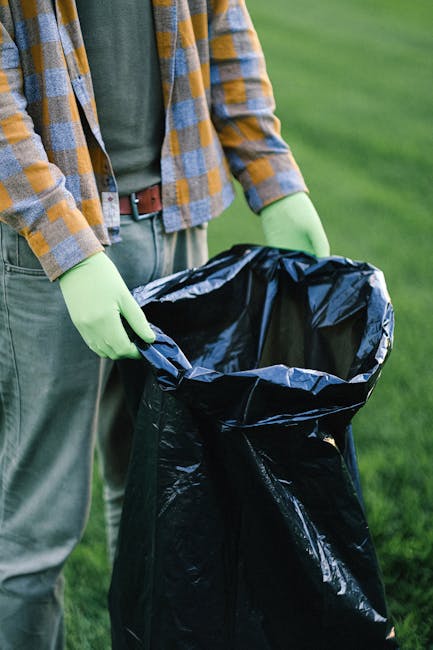
If your garden has turned into a pile of hedge cuttings, grass bags, broken plant pots, and the odd fence panel you meant to deal with weeks ago, you are not alone. Waddon garden rubbish collection and green waste tips are really about making that mess manageable again, without wasting time or risking a heavy, awkward trip to the tip. In a place like Waddon, where many homes juggle small driveways, shared access, or just not enough storage for bulky garden waste, a clear plan helps more than people expect.
This guide walks through how garden rubbish collection works, what counts as green waste, how to sort it properly, and which mistakes tend to create extra hassle. You will also find a practical checklist, a comparison table, and a real-world style example that shows how to tidy a garden job without making a mountain out of it. Truth be told, garden waste looks simple until you start moving it. Then it's all sharp twigs, damp sacks, and that one half-rotten planter that somehow weighs a ton.
- Why it matters
- How it works
- Key benefits
- Who needs this
- Step-by-step guidance
- Expert tips
- Common mistakes to avoid
- Tools, resources and recommendations
- Law, compliance and best practice
- Options and comparison
- Case study
- Practical checklist
- Conclusion
- Frequently asked questions
Why Waddon garden rubbish collection and green waste tips Matters
Garden waste has a way of building up quietly. One weekend you cut back a hedge, rake the lawn, and trim a few branches. A week later, there are three bags by the fence, a stack of stems drying in the corner, and a pile of soil that no one wants to deal with. That is where a good approach to garden rubbish collection makes a real difference.
For Waddon households, the main issue is usually space and convenience. Not everyone has room to store waste until council collection day, and not everyone wants to hire a skip for what is really a mixed garden clear-out. Using practical green waste tips helps you separate compostable material from general garden junk, which can make disposal easier, cleaner, and often more cost-effective.
It also matters because garden waste is rarely just garden waste. You may find old flowerpots, cracked edging, bits of timber, rusted tools, dead hanging baskets, and bags full of roots. Some of that can be recycled or composted. Some of it needs a different route. Getting that distinction right saves time and avoids the messy middle ground where everything is mixed together and no longer simple.
Expert summary: The best garden clear-outs are rarely the biggest ones. They are the ones where waste is sorted early, bagged properly, and moved in a way that suits the property, the weather, and the amount of material involved.
How Waddon garden rubbish collection and green waste tips Works
At its simplest, garden rubbish collection is the process of removing unwanted outdoor waste from your property and sending it to the right disposal or recycling route. Green waste usually means organic garden material such as grass cuttings, leaves, weeds, small branches, hedge trimmings, and prunings. But not everything from the garden counts as green waste, and that is where people get tripped up.
A sensible collection usually starts with sorting. Once waste is separated, you can decide whether it should go into compost, a garden waste bag, a council collection, a skip, or a professional clearance service. For mixed garden jobs, a provider offering broader garden clearance or general waste removal can be more practical than trying to handle each material separately.
The process often looks like this:
- Walk the garden and identify what is organic, what is reusable, and what is general rubbish.
- Separate green waste from plastics, metals, soil, stones, and treated wood.
- Bag or bundle lighter material so it stays manageable.
- Keep heavier items, such as turf or wet soil, in smaller loads.
- Arrange the right disposal method based on quantity, access, and urgency.
If you are dealing with a bigger outdoor project, such as a shed tidy-up, hedge removal, or full garden reset, you may also end up with timber, old seating, broken fixtures, or damaged fencing. In that case, it can make sense to plan the work alongside garage clearance or even home clearance if the job spills indoors too. These things have a habit of spreading. Funny how that works.
Key Benefits and Practical Advantages
Sorting green waste properly is not just about being tidy. There are practical, everyday benefits that matter when you are trying to get the garden back under control.
- Less clutter: Clearing waste promptly keeps paths, patios, and lawn edges usable.
- Better hygiene: Damp leaves, weeds, and rotting cuttings can attract pests and create smells.
- Easier recycling: Clean green waste is more likely to be recycled or composted.
- Safer movement: Removing branches, broken pots, and hidden debris reduces trip and cut risks.
- Faster garden projects: Pruning, planting, or landscaping goes smoother when old waste is already gone.
- Less strain: Breaking the job down into smaller loads saves your back. And your patience, too.
There is also a visual payoff that people underestimate. A garden can look nearly finished once the waste is removed, even if the planting is not perfect yet. You can actually see the space again. That matters, especially after a wet weekend when everything feels a bit grey and heavy.
From a practical viewpoint, using a service or method that handles mixed outdoor waste can be especially helpful when you have thorny clippings, heavy soil, or bulky garden leftovers. If you are comparing approaches, it may help to look at the company's recycling and sustainability approach as well, because garden waste is often more reusable than people think.
Who This Is For and When It Makes Sense
This topic is relevant to more people than you might expect. Garden rubbish collection is not only for big landscaping jobs. It helps anyone who has a small, medium, or large outdoor space and wants it cleared without fuss.
- Homeowners dealing with seasonal pruning, lawn cuttings, or border tidy-ups.
- Landlords and letting agents preparing a property between tenancies.
- Tenants who need to leave a shared garden in decent shape.
- Busy families who have not had time to deal with outdoor clutter.
- Older residents who want the job done safely and without lifting heavy bags.
- Anyone renovating or landscaping and ending up with mixed garden debris.
It tends to make sense when waste is too much for normal household bins, too awkward for a car boot, or too mixed to drop into one neat category. That might be after a hedge cut, a storm, a turf lift, or a long-overdue clear-out of the back garden. If the work also includes old outdoor furniture or internal clutter, services such as furniture disposal or furniture clearance may be relevant too.
To be fair, there is no prize for trying to carry everything yourself in three awkward trips. Sometimes a proper collection is simply the calmest option.
Step-by-Step Guidance
If you want a cleaner, faster garden waste job, start with the process rather than the pile. A little structure saves a lot of swearing under your breath.
1. Split the waste into rough categories
Make three piles: green waste, general rubbish, and bulky or special items. Green waste is the organic stuff. General rubbish might include packaging, broken pots, faded plant labels, plastic ties, or household litter that has blown outside. Bulky items could be old planters, timber, trellis, or damaged outdoor furniture.
2. Remove anything that should not be mixed in
Do not put batteries, chemicals, paint tins, gas canisters, asbestos, or electrical items into green waste. These materials need separate handling. If you are unsure about something potentially risky, treat it as a special case rather than chucking it in with everything else. A cautious minute now beats a much bigger headache later.
3. Reduce volume before bagging
Cut branches into shorter lengths, break up soft clumps of turf, and shake soil off roots where possible. Dry material weighs less and is easier to move. Wet waste is another story. Wet grass clippings are the garden equivalent of a soaked mattress: somehow twice as heavy as they looked five minutes ago.
4. Use the right containers
Strong bags, reusable garden sacks, and bundling straps help. Overfilled bags split at the worst possible moment, usually when you are turning a corner. Leave a little space at the top and avoid packing bags so tightly that you cannot lift them safely.
5. Choose the disposal method that fits the job
Small amounts of clean green waste may suit composting or local collection arrangements. Mixed or bulkier waste often works better through a professional collection. For example, if the garden job includes timber offcuts, broken sheds, or stacked refuse, a broader service such as what can go in a skip may help you understand what can be loaded together and what needs to stay separate.
6. Finish with a quick site sweep
Walk the area once more. Pick up loose twigs, plastic ties, and sharp debris. This last pass is the bit people skip, and then later they find a thorn in the grass or a little shard of pot in the sandal. Not ideal, obviously.
Expert Tips for Better Results
A few small habits make garden rubbish collection much easier. These are the sort of things experienced teams notice straight away.
- Bag by weight, not just by volume. A half-full bag of wet grass can be harder to carry than a fuller bag of dry leaves.
- Keep compostable material clean. Avoid mixing plastic tags, string, and stones into green waste if you can help it.
- Separate soil from organic waste. Soil is heavy and often needs a different route.
- Stack branches in the same direction. It makes bundling easier and creates fewer sharp ends.
- Work from the back of the garden forward. You will avoid treading waste back across areas you have already cleared.
- Plan around weather. A dry morning is kinder than a damp afternoon when everything gets slippery and slightly miserable.
One of the most useful habits is to clear as you cut. If you trim the hedge, deal with the trimmings right away. If you leave them, they spread. If you leave them twice, they somehow become part of the scenery. You know the feeling.
If your outdoor space includes a shed, loft hatch storage, or mixed household clutter, it may be worth thinking beyond the garden itself and looking at broader options like loft clearance or house clearance. Sometimes the garden is just the visible part of a larger tidy-up.
Common Mistakes to Avoid
Most garden waste problems come from a handful of very ordinary mistakes. The good news is they are all avoidable once you know what to look for.
- Mixing everything together: Green waste, plastic, soil, and rubble should not all go in the same pile unless the disposal route allows it.
- Overfilling bags: A bag that is too heavy can tear, and that creates more mess than it solves.
- Ignoring hidden sharp items: Broken canes, pruning saw blades, and cracked pots can easily cut hands.
- Leaving waste in damp heaps: Wet piles smell, compact, and attract flies faster than dry material.
- Forgetting access: A collection is much easier if sacks can reach the front or a clear loading point.
- Assuming every garden item is green waste: Treated wood, metal, plastic, and contaminated materials need different handling.
Another common error is underestimating roots and soil. Pulling out a border full of weeds sounds simple until the roots are covered in clay. Then the pile gets heavy fast. If you have ever tried to shift two sacks of damp roots up a narrow side path, you will know exactly what I mean.
For mixed outdoor waste, it is usually better to pause and sort than to "just get rid of it all" in one go. That impulse is understandable. It is also where the trouble starts.
Tools, Resources and Recommendations
You do not need a full toolkit to handle garden waste well, but a few items make the job much smoother.
| Tool or resource | Best for | Why it helps |
|---|---|---|
| Heavy-duty garden bags | Leaves, clippings, light pruning | Easy to carry and less likely to split |
| Gloves with grip | Thorns, rough stems, general handling | Protects hands and improves control |
| Loppers or secateurs | Cutting branches into manageable lengths | Reduces volume and makes stacking easier |
| Tarpaulin | Moving larger loose piles | Useful for dragging waste without scattering it |
| Wheelbarrow | Soil, roots, mixed small loads | Protects your back and speeds up movement |
In terms of disposal choices, it helps to think in layers. Small neat amounts of organic waste may be fine for home composting. Larger or mixed loads may need a collection service. If you are managing a bigger clear-out or have awkward access, checking pricing and quotes can help you compare the practical side of each option without guesswork.
For people who want a company-led service with a clear process, it also helps to understand the provider's background. A page like about us gives useful context, while insurance and safety can reassure you that heavier lifting and site handling are taken seriously.
Law, Compliance, Standards, or Best Practice
Garden waste sounds harmless, but there are still sensible UK rules and best practices to keep in mind. You do not need to become a legal expert. Just a careful one.
First, waste should be handled responsibly and kept separate where required. Green waste, mixed household rubbish, and any hazardous material should not be treated as one category. If a material could create risk to people or the environment, it should be dealt with through the appropriate route rather than bundled into a general load.
Second, if you are using a third party to collect waste, it is wise to choose a provider that follows proper handling and disposal standards. That usually means clear sorting, safe loading, and responsible onward processing. If you are dealing with materials that may be hazardous, the safest approach is to review a dedicated page such as hazardous waste disposal before you mix anything in with garden waste.
Third, access and safety matter. Wet surfaces, broken paving, thorns, and lifting injuries are common garden-job problems. Good practice is simple: wear gloves, use sensible bag sizes, keep pathways clear, and avoid overreaching when lifting. Nothing dramatic. Just basic care, really.
If your property has shared access, tight alleyways, or neighbours close by, best practice also includes keeping noise, mess, and obstruction to a minimum. A tidy loading area and a quick sweep afterwards go a long way. People notice. Even if they do not say so.
Options, Methods, or Comparison Table
There is no single best way to deal with garden rubbish. The right method depends on volume, timing, and how mixed the waste is. Here is a simple comparison to make that choice easier.
| Method | Best for | Pros | Watch out for |
|---|---|---|---|
| Home composting | Clean grass, leaves, small prunings | Low cost, useful for future garden soil | Not suitable for diseased plants, weeds with seed heads, or mixed rubbish |
| Bagged collection | Smaller garden tidy-ups | Simple, flexible, good for straightforward green waste | Can be awkward if loads are heavy or access is tight |
| Skip hire | Bulkier or longer projects | Useful for large mixed loads and ongoing work | Needs space and good sorting; check what can go in first |
| Professional collection | Mixed garden rubbish, heavy lifting, limited time | Fast, convenient, and often easier for awkward jobs | Make sure the service matches the exact waste types |
For many Waddon households, the practical sweet spot is a professional collection when the waste is mixed or the access is awkward. If you are unsure what kind of load you have, it is better to describe the waste honestly than to guess. A pile that looks like green waste may hide soil, timber, or old outdoor fixtures underneath.
Case Study or Real-World Example
Imagine a typical spring tidy-up in Waddon: a front garden hedge has been cut back, the back lawn has been raked, and a tired border has been dug over. The homeowner also finds two cracked plant pots, a rusted chair, several sacks of weeds, and a stack of branch cuttings leaning by the fence.
At first glance, it looks like "just garden waste." But after sorting, the job splits neatly into three groups:
- Green waste: hedge cuttings, grass, weeds, leaves, small branches
- General rubbish: plastic tags, broken pot fragments, packaging, old ties
- Bulky items: the rusty chair and any damaged garden fittings
By separating the waste early, the homeowner avoids mixing recyclable organic material with awkward rubbish. The green waste can be handled cleanly, the bulky item can be treated as a separate load, and the whole garden looks better by the afternoon. No drama, no overflowing bags, no second trip the next day because one bag split near the gate. A small win, but a real one.
This is also where broader services can help. If the garden tidy-up spills into the shed, or if old household items are getting dragged outside for sorting, a linked service like flat clearance or office clearance may be useful in a different context, especially for mixed decluttering jobs where indoor and outdoor waste overlap.
Practical Checklist
Use this quick checklist before collection day or before you head out to organise your own disposal.
- Have I separated green waste from general rubbish?
- Have I removed batteries, chemicals, and other hazardous items?
- Are the bags strong enough and not overfilled?
- Have I cut long branches down to a manageable size?
- Are heavy items like soil and turf kept in smaller loads?
- Is the access route clear for lifting or loading?
- Have I checked whether any items need a separate disposal route?
- Have I done a final sweep for sharp debris, string, and hidden fragments?
Quick practical reminder: if the pile includes a lot of mixed material, do not force it into a green waste-only approach. The neatest solution is not always the simplest one at the start.
Get a free quote today and see how much you can save.
Conclusion
Waddon garden rubbish collection and green waste tips come down to a simple idea: sort early, lift safely, and choose the disposal route that fits the actual waste, not just the bit you can see first. When you separate organic material from plastics, timber, and awkward leftovers, everything becomes easier. The garden looks better, the job feels smaller, and you avoid that last-minute panic when you realise the bags are heavier than expected.
If you are dealing with a modest tidy-up, you may only need a few strong bags and a compost plan. If the work is bigger, mixed, or physically awkward, a professional clearance route can save a lot of effort and stress. Either way, a calm, sorted approach is the one that pays off. Small steps. Proper sorting. Done well, it is surprisingly satisfying.
And once the waste is gone, the garden feels like your space again. That's the nice part, really.
Frequently Asked Questions
What counts as green waste in a garden?
Green waste usually includes organic garden material such as grass cuttings, hedge trimmings, leaves, weeds, small branches, and plant prunings. It should be kept separate from plastic, metal, treated wood, and general household rubbish.
Can I put soil in with green waste?
Usually not in large amounts. Soil is heavy and often needs a different disposal route. A small amount attached to roots may be acceptable in some cases, but it is best to keep pure soil separate unless you know the collection method allows it.
What is the easiest way to collect garden rubbish at home?
The easiest method is usually to sort waste into green, general, and bulky items first. Then bag lighter material, keep heavier loads small, and decide whether the waste is suitable for composting, collection, or a wider clearance service.
How do I stop garden waste bags from splitting?
Do not overfill them, keep wet clippings in smaller loads, and use stronger sacks designed for garden or builder-style waste. Sharp branches and wet soil are the usual culprits when bags fail.
Is it better to compost garden waste or have it collected?
For clean organic waste, composting can be a good option if you have the space and patience. If the waste is mixed, bulky, dirty, or needed gone quickly, collection is usually more practical.
What should I do with old plant pots and broken garden furniture?
Plastic pots, broken chairs, and other non-organic items should not go with green waste. They are normally handled as general rubbish or bulky waste, depending on the material and condition.
Can a garden clearance service take mixed rubbish too?
Often yes, but it depends on the provider and the type of waste involved. It is always better to describe the load clearly, especially if it includes soil, timber, damaged outdoor furniture, or anything potentially hazardous.
Do I need to remove thorns and branches before collection?
You do not need to strip every branch bare, but it helps to bundle sharp material safely and keep it manageable. This reduces the risk of injury during lifting and loading.
How can I prepare for a garden waste collection in a small Waddon property?
Focus on access. Clear the route from the garden to the front of the property, keep sacks small enough to carry safely, and sort the waste before collection day so the loading process is quick and tidy.
What is the biggest mistake people make with green waste?
The most common mistake is mixing organic waste with plastic, soil, or other rubbish. That makes disposal harder and can limit recycling options. Overfilled bags are a close second.
When does it make sense to choose a professional collection instead of doing it myself?
It makes sense when the waste is too heavy, too bulky, too mixed, or too time-consuming to handle yourself. It also helps when access is awkward or you simply want the job finished properly without a full-day slog.
Where can I learn more about safe and responsible waste handling?
It helps to read practical pages such as recycling and sustainability, health and safety policy, and terms and conditions to understand how waste is handled and what to expect from a provider.